
Gym audio-visual (AV) operating costs are defined as the combined capital and recurring expenses required to install, license, maintain, and manage sound and display systems inside a fitness facility. These costs split into two clear categories: upfront capital expenditure and ongoing operational expenses. Both categories directly affect gym financial management, and failing to budget for either one creates cash flow problems that can threaten a gym's early survival. This article breaks down every layer of those costs, from the first speaker purchase to the annual music license renewal, so gym owners and financial managers can build a budget that holds.
Gym operating costs AV explained: what the numbers actually look like
AV capital costs vary sharply by gym size. A basic sound system and display setup for a smaller gym typically runs between $1,500 and $5,000. That range covers a handful of ceiling speakers, one or two commercial displays, and basic wiring. It does not include music licensing fees, which are a separate recurring line item.
Larger gyms with multiple training zones face a different cost profile entirely. Integrated AV systems covering sound, microphones, and lighting for complex multi-room facilities run between $10,000 and $25,000. The cost scales with the number of rooms, the intensity of each modality (spin, HIIT, yoga), and the number of independent audio zones required.
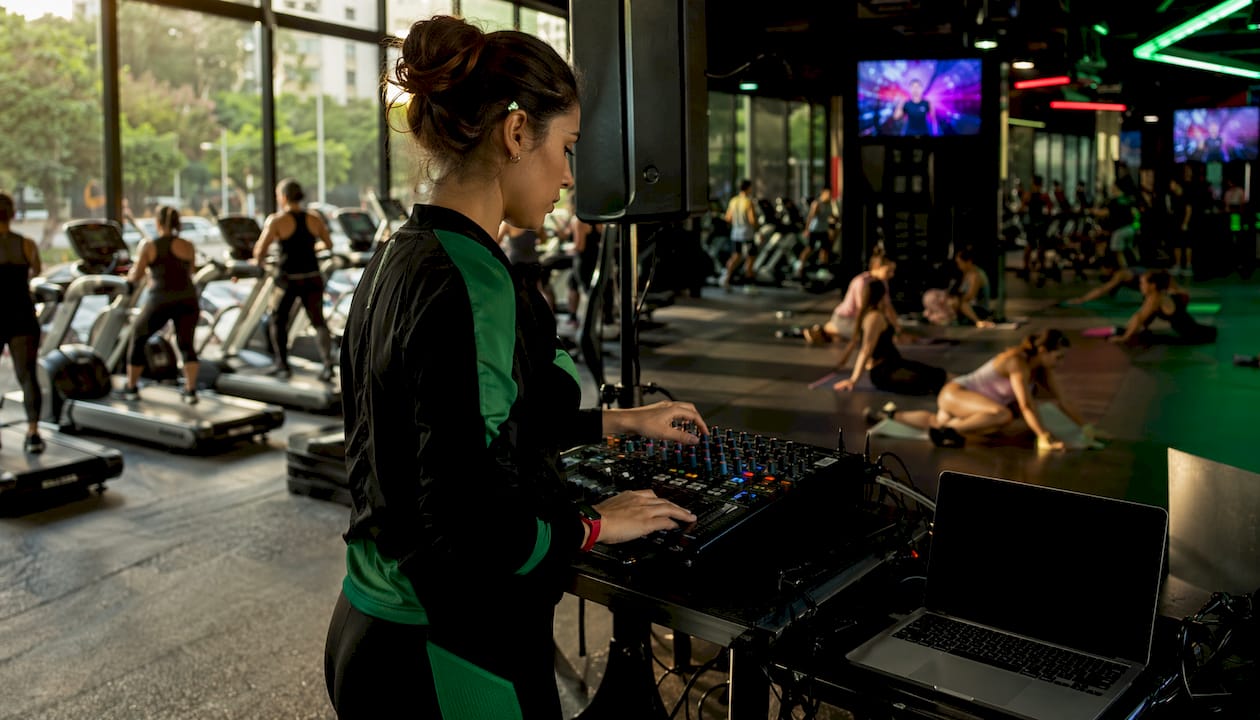
| Gym size | System complexity | Estimated AV capital cost |
|---|---|---|
| Small (under 3,000 sq ft) | Basic speakers and 1–2 displays | $1,500–$5,000 |
| Mid-size (3,000–8,000 sq ft) | Multi-zone audio and 3–6 displays | $5,000–$12,000 |
| Large (over 8,000 sq ft) | Full AV integration with mics and lighting | $10,000–$25,000 |
The table above treats equipment and installation as the primary cost drivers. Licensing, maintenance, and software sit in a separate budget category, which most gym owners underestimate at the planning stage.
Pro Tip: Get itemized quotes from AV installers that separate hardware, labor, and cabling. Bundled quotes hide where the money actually goes and make year-two budgeting nearly impossible.
Understanding your gym AV infrastructure before signing any purchase order prevents scope creep and protects your capital budget.
What ongoing and variable costs affect gym AV operating budgets?
Recurring AV costs are where gym financial management gets complicated. Music licensing is the most commonly missed line item. Music licensing fees are a recurring operational expense costing hundreds of dollars annually, not a one-time fee. Costs grow with gym size and music usage intensity, so a 10,000-square-foot facility with six active class rooms pays significantly more than a small personal training studio.
Licensing is not optional. Playing music publicly without proper licensing from organizations like ASCAP, BMI, or SESAC exposes a gym to legal liability. Budget for it as a fixed annual line item, not a surprise.
Beyond licensing, gym AV hardware degrades faster than equipment in standard commercial offices. Humidity and sweat accelerate hardware degradation, making moisture-resistant enclosures or more frequent replacements a necessary cost. A display mounted near a cycling studio faces a fundamentally different environment than one in a hotel lobby.
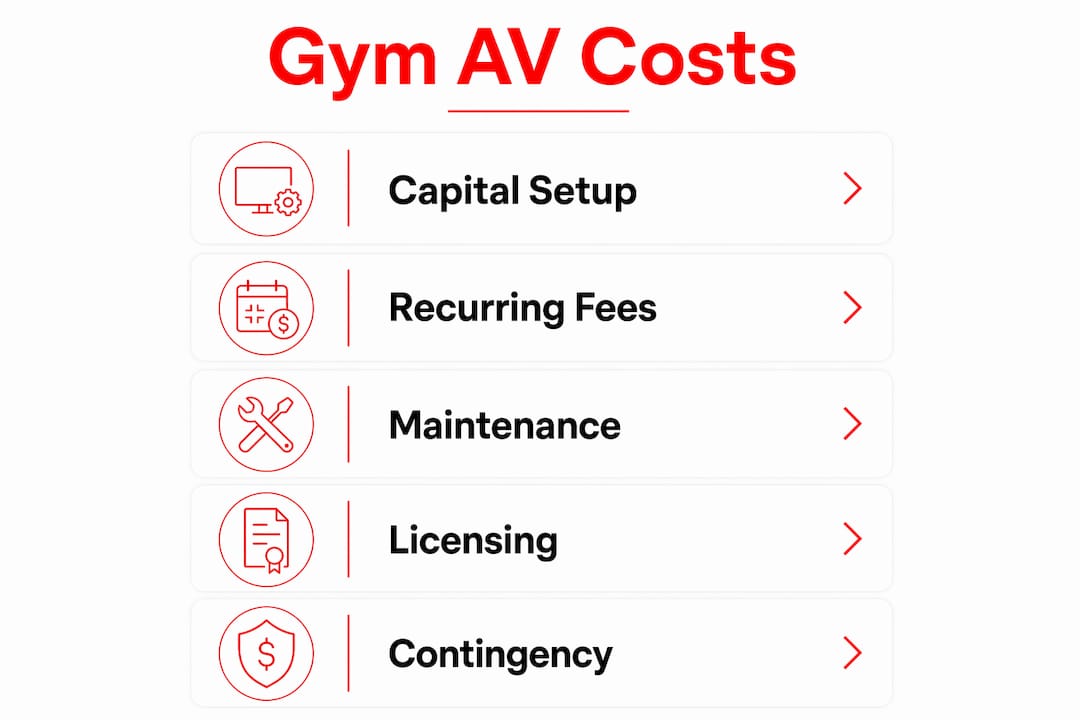
The recurring AV cost categories gym owners must track include:
- Music licensing: Annual fees to ASCAP, BMI, or SESAC based on facility size and usage
- Hardware maintenance: Scheduled servicing and cleaning of speakers, amplifiers, and displays
- Hardware replacement: Budget for accelerated wear caused by moisture and heat
- Software subscriptions: Digital signage platforms, content management systems, and scheduling tools
- Staff time: Hours spent manually switching inputs, adjusting volumes, or troubleshooting across rooms
Recurring music licensing generally represents about 5% of total startup expenses and must be treated as an ongoing legal cost, not a discretionary one. That percentage gives gym owners a useful anchor when building their first annual operating budget.
Pro Tip: Specify moisture-resistant or IP-rated AV hardware for any room with high sweat output. The upfront premium is smaller than the cost of replacing standard commercial equipment two years early.
Which hidden or underestimated AV-related expenses should gym owners anticipate?
Hidden AV costs are the primary reason gym financial plans fall apart in the first year. Many gym owners underestimate software subscription inflation and maintenance costs, contributing to operational failure in early months. Proactive budgeting is the only defense.
The most common hidden AV cost pitfalls, and how to address each one:
- Software subscription price increases. SaaS pricing for digital signage and content platforms rises regularly. Build a 10–15% annual increase assumption into your subscription line items.
- Peripheral hardware wear. Cables, connectors, remote controls, and mounting hardware fail more often than the main units. Set aside a small annual fund specifically for peripheral replacements.
- Fragmented system labor costs. Fragmented AV systems requiring multiple control points increase staff troubleshooting time, turning hidden labor into a significant monthly cost. Centralizing control eliminates most of this burden.
- Licensing and permit gaps. Some gym owners budget for one licensing body and miss others. A gym playing music in a lobby, a spin room, and a yoga studio may need coverage from multiple organizations.
- Build-out integration delays. AV installation during a gym build-out frequently runs over schedule. Delays push opening dates back and add labor costs. Budget a contingency reserve of 15–20% of your total AV budget to cover overruns.
The 15–20% contingency reserve recommendation comes from multiple 2026 industry sources. That buffer covers unexpected equipment failures, installation rework, and licensing adjustments that almost always appear during the first operating year.
How can gym financial managers optimize AV operating costs?
Cost optimization in gym AV starts with consolidation. Unified control of AV and digital signage via modern dashboards automates manual tasks, reducing staff time and hidden monthly expenses. A single dashboard that controls music zones, display content, and class scheduling eliminates the need for multiple staff members managing separate systems.
Practical steps to reduce AV operating expenses without cutting quality:
- Phase your AV investment. Start with the rooms that generate the most revenue (group fitness studios, main floor) and expand as membership grows. Avoid buying a full multi-room system before you know your actual usage patterns.
- Choose gym-grade hardware from the start. Moisture-resistant speakers and commercial-grade displays cost more upfront but last significantly longer in gym environments. The total cost of ownership is lower.
- Centralize control with a single platform. Managing multiple gym TVs and audio zones from one dashboard cuts the staff hours spent on daily AV management. Those hours have a real dollar cost.
- Audit subscriptions annually. Cancel or consolidate software tools that duplicate functionality. Many gyms accumulate three or four separate platforms that a single integrated solution could replace.
- Schedule preventive maintenance. Reactive repairs cost more than scheduled servicing. Build quarterly AV checks into your facility maintenance calendar.
Phasing investments also protects cash flow during the critical first 12 months of operation. A gym that opens with a functional but modest AV setup and upgrades deliberately is in a stronger financial position than one that maxes out its AV budget before the first member walks in.
What financial planning frameworks apply specifically to gym AV costs?
Separating fixed and variable AV costs is the foundation of accurate gym financial management. Fixed vs. variable cost separation is vital for cash flow accuracy and avoiding surprises in gym budgets. Fixed costs include software subscriptions and annual licensing fees. Variable costs include repairs, hardware replacements, and any labor tied to AV troubleshooting.
This separation matters because fixed costs are predictable and can be built into monthly operating budgets with confidence. Variable costs require a reserve fund, not a fixed monthly allocation. Treating them the same way leads to budget shortfalls.
A practical AV budget framework for gym owners looks like this:
| Budget category | Cost type | Planning approach |
|---|---|---|
| Music licensing (ASCAP, BMI, SESAC) | Fixed | Annual fee, paid quarterly or annually |
| Software subscriptions | Fixed | Monthly or annual, with 10–15% inflation buffer |
| Hardware maintenance | Variable | Reserve fund, reviewed quarterly |
| Hardware replacement | Variable | Reserve fund, based on equipment age |
| AV contingency reserve | Variable | 15–20% of total AV budget |
Linking AV budget categories to the overall gym expenses breakdown gives financial managers a clearer picture of where AV sits relative to rent, staffing, and equipment. AV costs are not the largest line item in a gym budget, but they are among the most fragmented and therefore the easiest to lose track of. Treating them as a unified cost center, with fixed and variable components tracked separately, brings the same discipline to AV that most gyms already apply to payroll and utilities.
Key Takeaways
Gym AV operating costs require both a capital budget for initial setup and a structured recurring budget for licensing, maintenance, and software to avoid cash flow surprises.
| Point | Details |
|---|---|
| Capital costs vary by size | Small gyms spend $1,500–$5,000; large multi-room facilities spend $10,000–$25,000 on AV setup. |
| Licensing is non-negotiable | Music licensing fees are a recurring annual legal expense, not a one-time cost. |
| Hidden costs are the real risk | Software inflation, fragmented system labor, and peripheral wear are the most commonly missed budget items. |
| Separate fixed from variable | Fixed costs (subscriptions, licensing) and variable costs (repairs, replacements) need separate budget treatment. |
| Centralize to cut costs | A unified AV dashboard reduces staff troubleshooting time and lowers indirect monthly operating expenses. |
What I've learned about AV budgets after working with hundreds of gym operators
The most consistent mistake I see is treating AV as a one-time purchase. Gym owners spend weeks comparing speaker brands and display sizes, then sign off on a budget that has no line for licensing, no reserve for maintenance, and no plan for the software subscriptions that keep everything running. Six months later, they are paying for emergency repairs out of their operating account.
The second mistake is fragmentation. A gym with separate systems for music, class displays, and lobby signage is not saving money. It is paying for three sets of subscriptions, three troubleshooting workflows, and three points of failure. Every hour a staff member spends switching inputs or rebooting a media player is a labor cost that never appears on an AV invoice but absolutely shows up in payroll.
The fix is not complicated. Start with a phased plan that matches your actual room count and membership size. Budget for licensing before you open, not after your first cease-and-desist letter. And choose a platform that puts audio, video, and signage under one roof. The operational savings from centralized control compound over time in ways that a simple cost comparison at purchase never captures.
Gym owners who treat AV as an ongoing operational system, rather than a one-time capital purchase, consistently run tighter budgets and fewer surprises. That shift in thinking is worth more than any single equipment upgrade.
— Kingdom
How Kingdomsignage simplifies gym AV cost management
Managing gym AV costs gets significantly easier when every screen, speaker zone, and class display runs through one platform. Kingdomsignage gives gym operators a single dashboard to control TVs, music, workout class content, and promotional signage across every room in the facility.
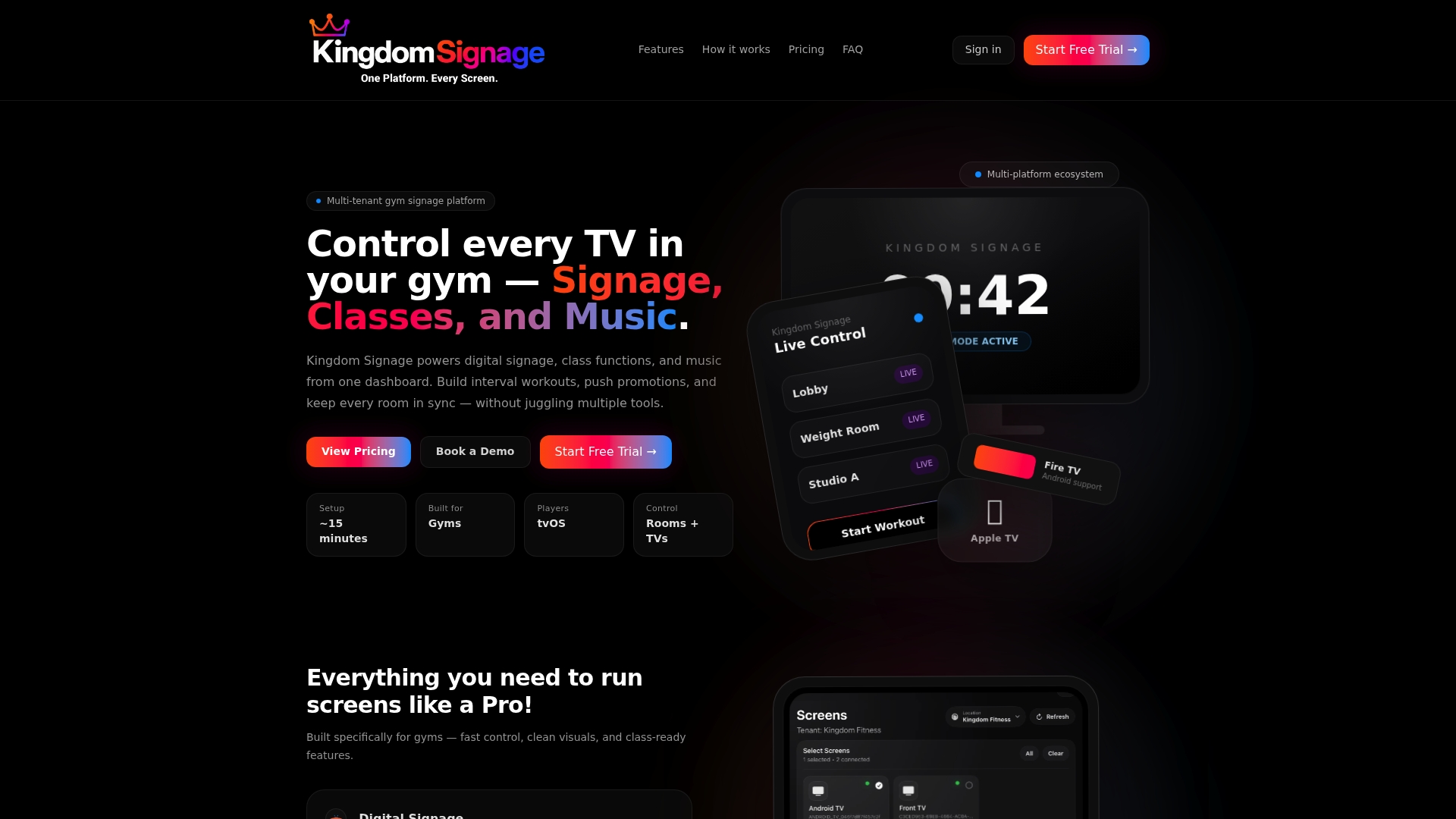
That centralization directly reduces the hidden labor costs that fragment AV management creates. Staff spend less time troubleshooting and more time on the floor. Real-time updates, class transitions, and promotional content all happen without manual intervention. For gym owners building a tighter AV management system, Kingdomsignage removes the operational overhead that makes AV budgets unpredictable. The platform is built specifically for fitness environments, which means it accounts for the multi-room, high-traffic realities that generic AV tools ignore.
FAQ
What is included in gym AV operating costs?
Gym AV operating costs include initial hardware purchases, installation labor, annual music licensing fees, software subscriptions, and ongoing maintenance or hardware replacement. Both capital and recurring expenses must be budgeted separately for accurate financial planning.
How much does a gym AV system cost to set up?
A basic setup for a small gym runs $1,500–$5,000. Larger facilities with multi-room integration, microphones, and lighting typically spend $10,000–$25,000 on initial AV capital expenditure.
Is music licensing required for gyms?
Music licensing is a legal requirement for any gym playing music publicly. Fees are paid annually to organizations like ASCAP, BMI, or SESAC, and costs scale with facility size and usage intensity.
What is the biggest hidden cost in gym AV budgets?
Fragmented AV systems that require manual staff management are the most commonly underestimated cost. The labor hours spent troubleshooting separate systems add up to a significant monthly expense that never appears on an equipment invoice.
How much contingency should a gym budget for AV costs?
Industry guidance recommends a contingency reserve of 15–20% of the total AV budget to cover installation overruns, unexpected hardware failures, and licensing adjustments during the first operating year.